

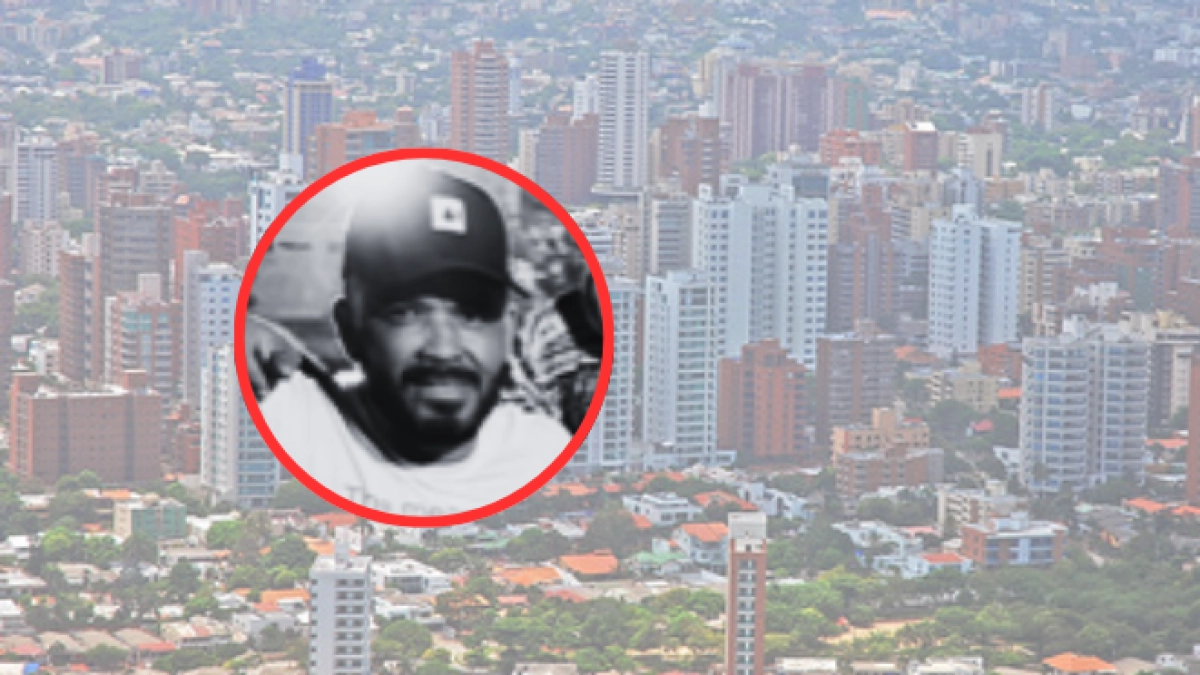
The Killing and Its Immediate Aftermath
The recent assassination of Edgardo Restrepo Fernández, 38, has shocked the San José neighborhood of Barranquilla and ignited a renewed debate over public safety and the protection of community leaders. The murder, confirmed by local authorities on September 24, 2026, occurred while Restrepo was under court‑ordered house arrest, a restrictive measure imposed due to his prior involvement in criminal activities. Neighbors and former colleagues described the incident as a tragic end to a man who, despite his troubled past, had been recognized for his contributions to neighborhood initiatives.
Investigators have launched a thorough inquiry, yet the motive remains unclear. Preliminary reports suggest the killing may be linked to his **six judicial cases**, which range from petty theft to more serious offenses, including illegal possession of firearms. The fact that Restrepo was **under house arrest** at the time of his death raises questions about the effectiveness of the supervisory mechanisms meant to keep him confined while awaiting trial.
Victim Profile: A Barber Turned Community Organizer
Edgardo Restrepo Fernández was a locally known barber who later became the **vicepresident of the San José Junta de Acción Comunal (JAC)**. In this role, he coordinated neighborhood clean‑up campaigns, facilitated communication between residents and municipal services, and helped organize cultural events aimed at strengthening community bonds. Despite his involvement in illegal activities, many residents recall him as a charismatic figure who “always had time for the neighbors” and was instrumental in resolving local disputes.
«He was a paradox—sometimes a troublemaker, yet always a pillar of the community,» said María Herrera, a longtime San José resident. «We loved him for the work he did for us, but we also knew his shadows. Now we just want the truth and justice for what happened.»».
A Complex Judicial History
Restrepo’s legal troubles began in his early twenties, accumulating into **six open judicial cases**. The charges included drug possession, assault, illegal weapons possession, and several property offenses. According to court documents, the most recent case—a firearms violation—directly led to his house arrest, which required electronic monitoring and restricted movement to his home and essential services.
Legal analysts point out that Colombia’s judicial system often struggles with the **enforcement of house‑arrest measures**, especially in neighborhoods where informal economies dominate. Overcrowded courts and limited surveillance resources can hinder effective monitoring, creating opportunities for individuals to evade restrictions.
Community Response and Demands for Justice
In the wake of the murder, residents of San José organized peaceful vigils, demanding an **unbiased investigation** and calling for systemic improvements in how community leaders are safeguarded. Local civic groups have urged the Barranquilla municipal government to review the protocols governing house‑arrest enforcement, particularly for individuals holding positions of neighborhood responsibility.
«We cannot let this be another unsolved case,» said Carlos Méndez, president of the neighborhood’s civic council. «Our community deserves answers, and our leaders deserve protection, regardless of their past.»».
Broader Context: Violence Against Community Leaders
The killing adds to a troubling pattern in Colombia where JAC leaders and other community organizers have become targets of violence. According to the National Institute of Legal Medicine, **more than 120 community leaders have been assassinated in the past five years**, often in regions where criminal groups contest local influence. The phenomenon reflects the intersecting risks of **gang activity, illicit economies, and weak state presence** in vulnerable neighborhoods.
Government officials have pledged to reinforce protective measures for at‑risk leaders, including the deployment of specialized police units and the creation of a **national registry** for community organizers under judicial supervision. However, experts warn that without addressing the root causes—such as poverty, lack of opportunities, and institutional distrust—such initiatives may only provide temporary relief.
Investigative Challenges and Future Outlook
The investigation into Restrepo’s murder faces several hurdles. First, the **limited forensic evidence** from the crime scene, combined with the victim’s known criminal connections, could complicate the identification of suspects. Second, witness intimidation remains a concern in neighborhoods dominated by drug‑trafficking organizations. Local police have reported receiving anonymous threats shortly after the killing, underscoring the high stakes involved.
Legal scholars suggest that the case may prompt a review of **house‑arrest legislation**, with potential reforms focusing on stricter monitoring, increased penalties for violations, and better coordination between judicial authorities and community organizations. In the longer term, stakeholders hope that enhanced protection protocols and transparent investigative processes will help restore confidence in public safety mechanisms among Barranquilla’s residents.
As the city awaits the outcomes of the inquiry, the tragedy of Edgardo Restrepo Fernández serves as a stark reminder of the complex interplay between **community service, criminal history, and public safety** in Colombia’s urban centers.






Deja una respuesta