

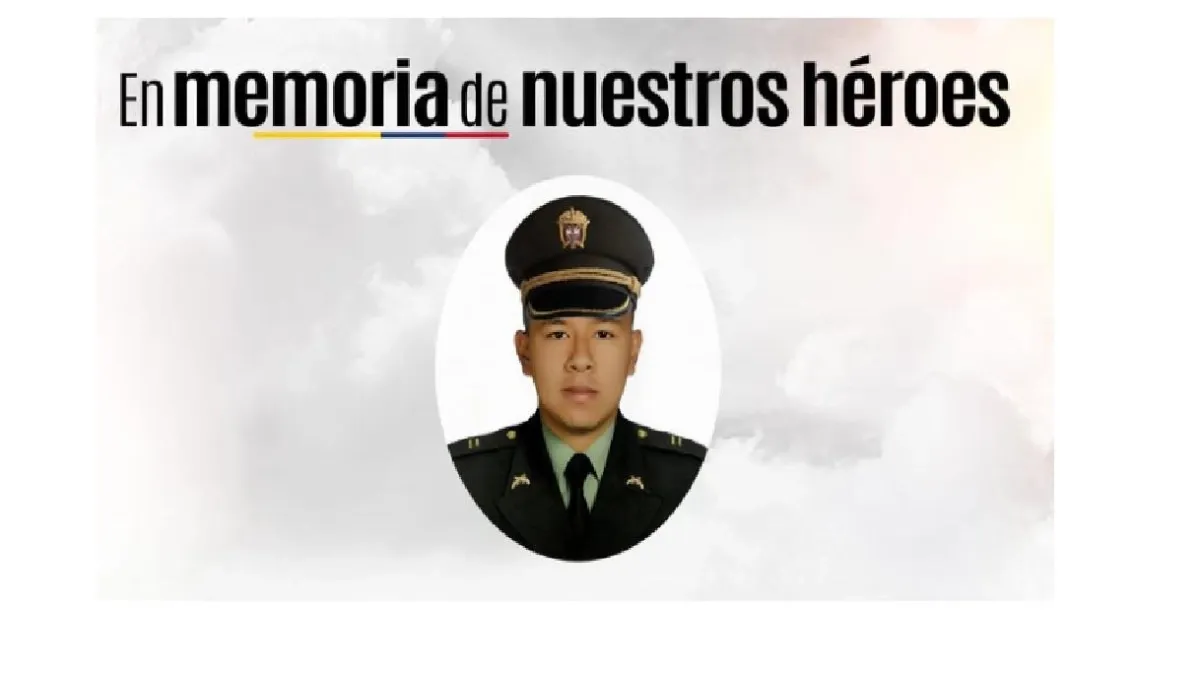
Murder of Bolívar Police Commander Shocks Cauca
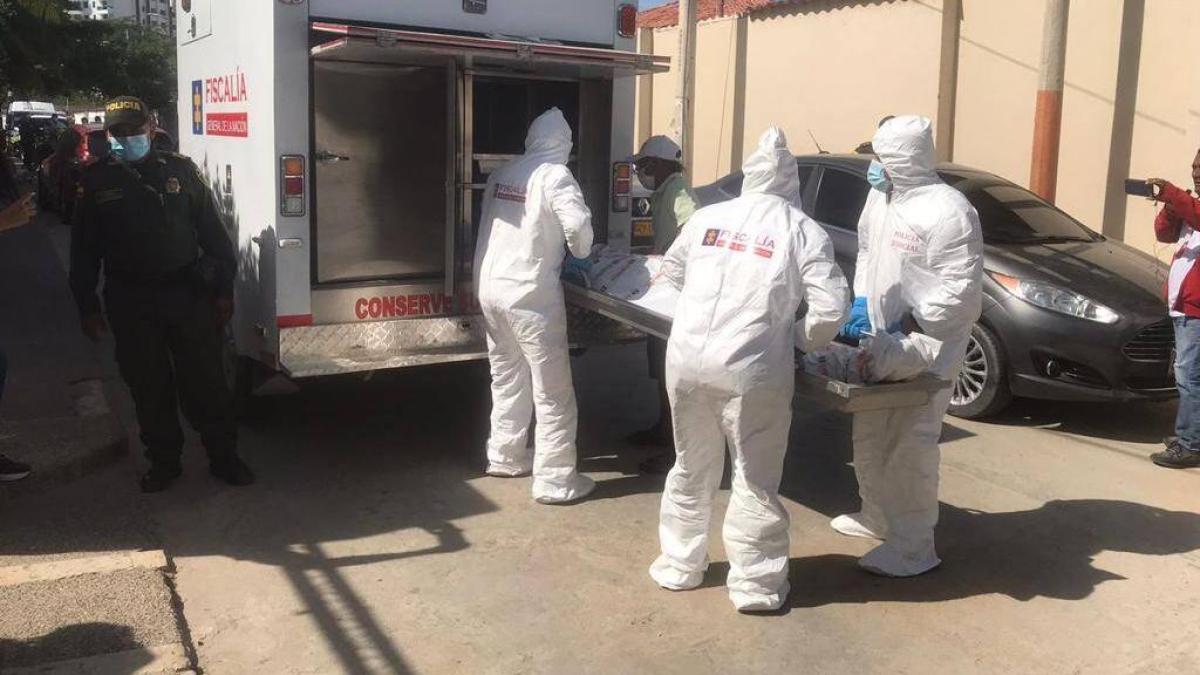
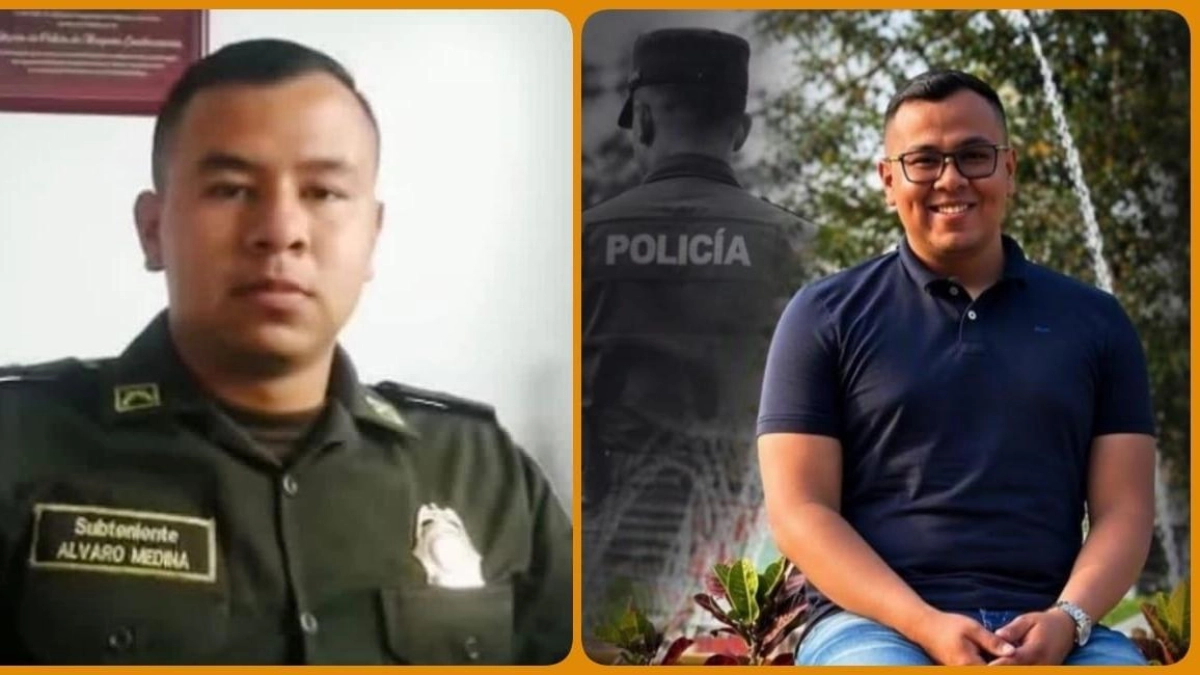
On September 26, 2026, Lieutenant Álvaro José Medina Peña, 38, commander of the Bolívar Police Station, was killed in a targeted attack in the municipality of Bolívar, department of Cauca. According to official reports, Medina Peña was traveling in civilian clothes aboard a public bus when armed individuals approached the vehicle, demanded that he leave the bus, and subsequently opened fire. Despite being rushed to a local health facility, the officer was pronounced dead. The incident has triggered national outrage and renewed attention to the dangers faced by law‑enforcement personnel in the region.
Timeline and Immediate Response
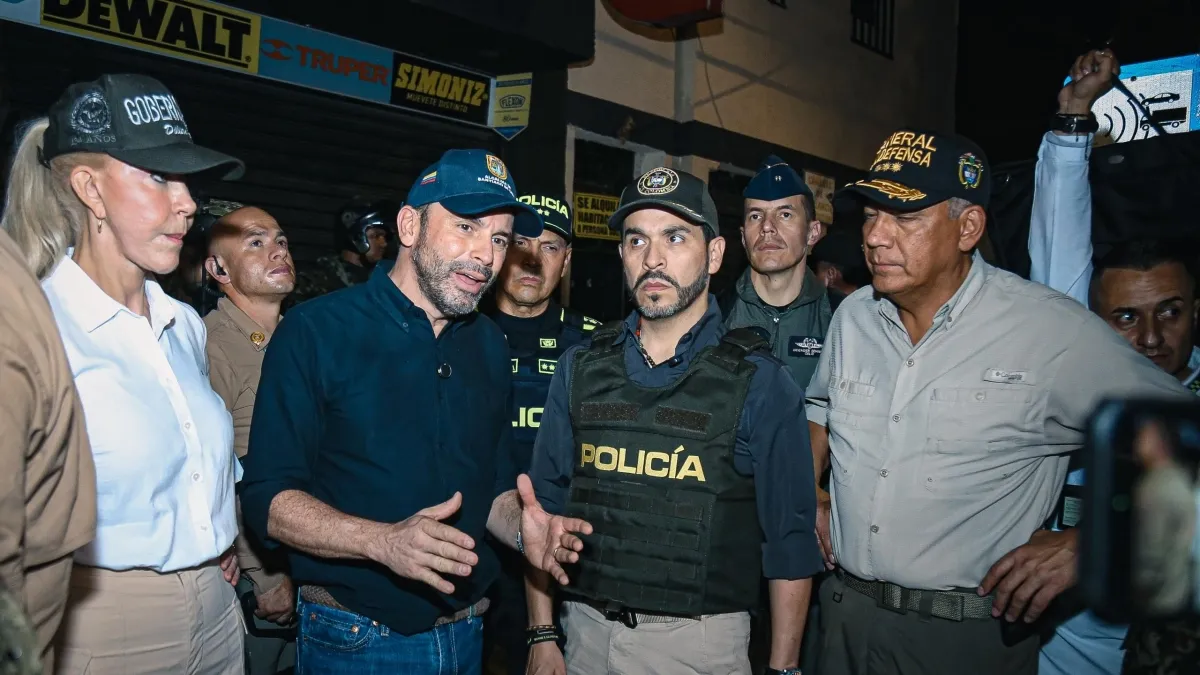
The killing occurred during the afternoon rush hour, prompting an immediate reaction from local police, the National Police of Colombia, and regional authorities. Within hours, a special investigation unit was established, and a public reward was announced for information leading to the capture of the perpetrators. Governor of Cauca, Carlos Andrés Gil, declared three days of official mourning, while President Gustavo Petro issued a statement expressing deep sorrow and pledging the government’s full cooperation with the investigative process.
Regional Security Context
Bolívar and the broader Cauca department have long been considered epicenters of Colombia’s security challenges. Historical conflicts involving guerrilla groups, drug‑trafficking organizations, and illegal mining have created a volatile environment. In recent years, the area has witnessed a surge in violent incidents targeting police officers, including ambushes, extortion, and assassinations. This pattern is linked to the region’s strategic importance for coca cultivation and gold extraction, which attract transnational criminal networks seeking to control local economies and undermine state authority.
Impact on Law Enforcement and Community
The loss of Medina Peña has sent shockwaves through the police force and the community alike. Colleagues described him as a dedicated and courageous officer who consistently performed his duties despite personal risk. The murder highlights the vulnerability of officers operating in plain clothes and raises questions about the adequacy of protective measures. Residents of Bolívar have expressed fear of further violence, leading to increased tensions and a potential erosion of public confidence in the ability of authorities to guarantee safety.
Investigative Directions and Future Outlook
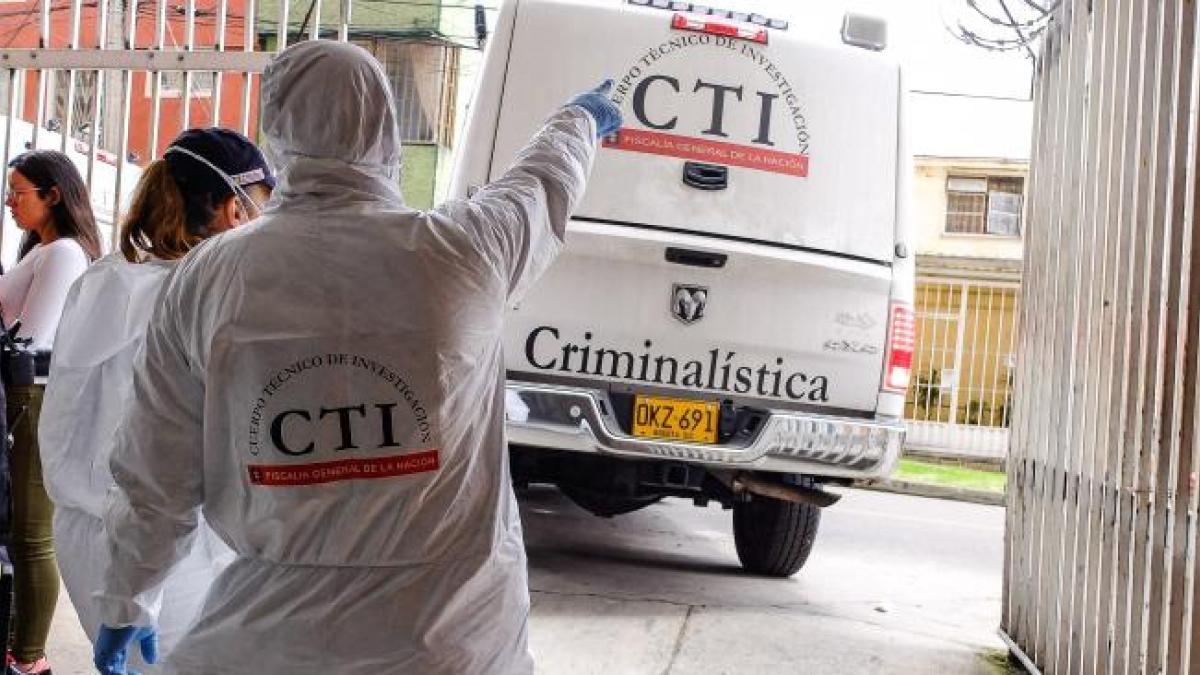
Investigators are exploring several possible motives, including retaliation for anti‑crime operations, involvement in local drug‑trafficking networks, or connections to residual guerrilla activities. The Dirección de Investigación Criminal e Interpol (DIJIN) is coordinating with military intelligence, the National Police Specialized Forces, and local officials to gather forensic evidence and interview witnesses. Authorities have also announced plans to improve officer safety through the deployment of body‑camera systems, enhanced intelligence gathering, and the establishment of secure transportation protocols for police personnel operating in high‑risk zones. The case will be closely watched as a barometer of the state’s capacity to combat organized crime and protect its servants in one of Colombia’s most conflicted regions.

Deja una respuesta