

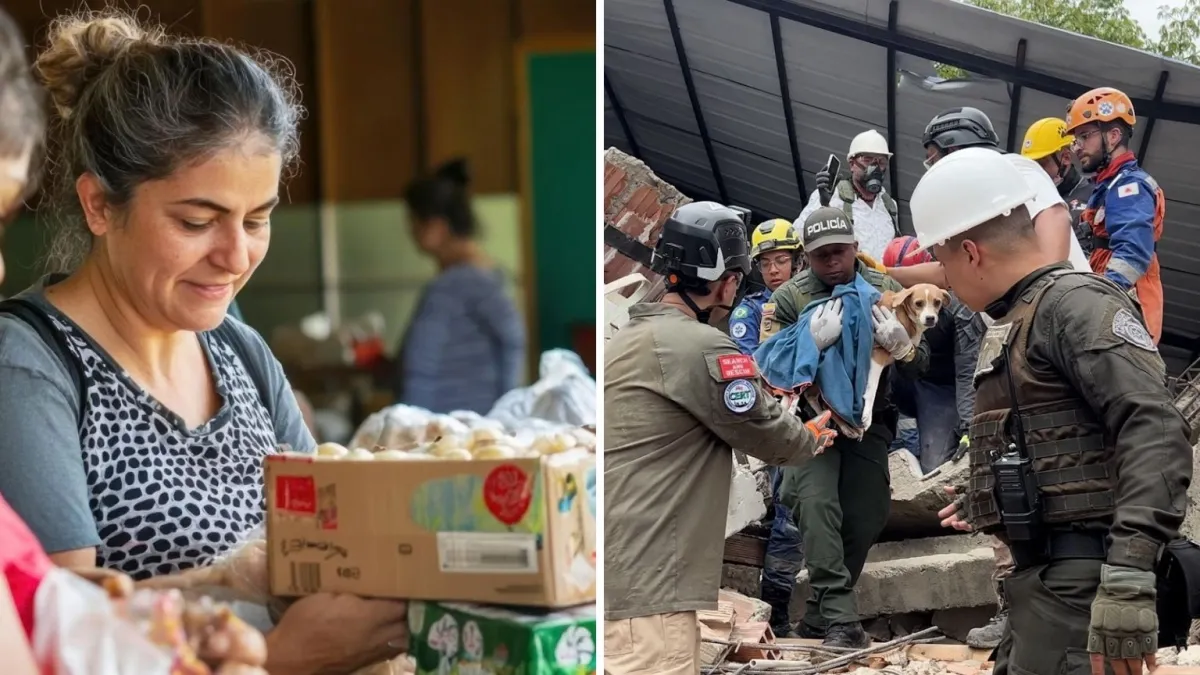
The Devastation of August 10, 2026
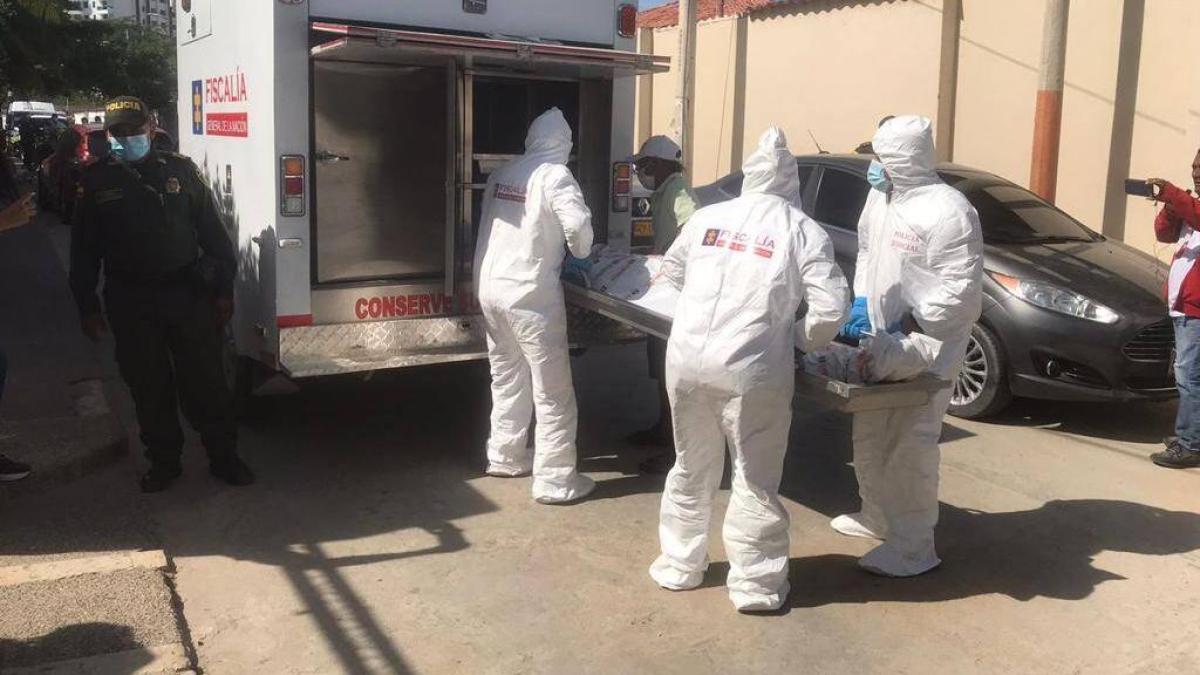
On the morning of August 10, 2026, a powerful 6.8‑magnitude earthquake struck Cali, Colombia, leaving a swath of destruction across the metropolitan area. Official reports from the Colombian Geological Service counted more than 1,100 collapsed structures, including the historic Vanessa apartment building, which claimed dozens of lives and displaced hundreds of families. Aerial imagery released by AFP showed extensive damage to infrastructure, with roads fractured, utility networks severed, and residential zones reduced to rubble.
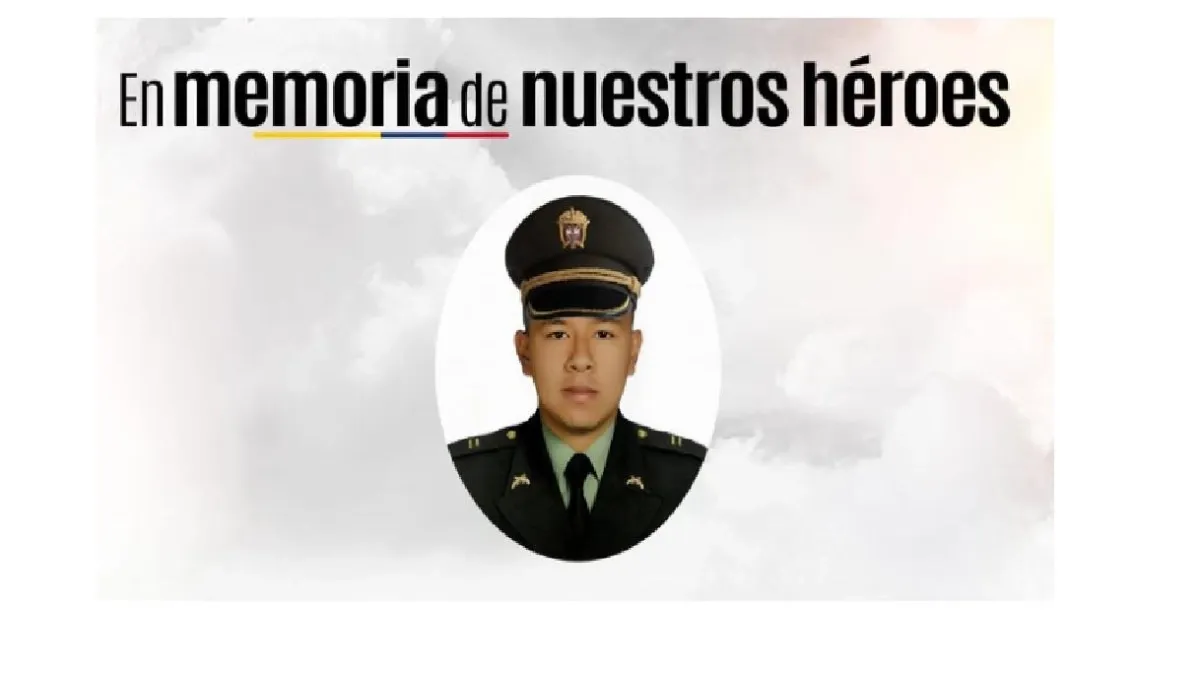
The seismic event was the most severe to hit the city in recent memory, compounding existing urban vulnerabilities such as inadequate retrofitting of older buildings and limited emergency response capacity. Immediate rescue operations, coordinated by the National Police of Colombia and bolstered by the Fundación WWB Colombia, focused on extracting survivors from the Vanessa complex and providing medical aid to the injured. By the end of the first week, authorities reported 312 fatalities, 1,452 injuries, and more than 4,800 people displaced.
Invisible Labor: The Role of Care Work in Reconstruction
While the physical rebuilding of collapsed structures demands skilled labor, the human dimension of recovery—often performed within households—has become a focal point for advocates. Leaders from Fundación WWB Colombia and the Policía Valle have emphasized that rebuilding does not merely entail erecting new walls; it also requires sustaining the caregiving networks that hold families together amid crisis.
In the wake of the disaster, many households have shouldered the burden of sheltering relatives, managing trauma, and coordinating access to aid. This informal care work, predominantly carried out by women and community volunteers, remains largely invisible in official recovery plans and media narratives. Experts argue that recognizing and supporting these efforts is essential for long‑term resilience, as they directly influence mental health outcomes, the distribution of resources, and the overall pace of community healing.
Coordination of Aid and Community Response
Government and non‑governmental entities have launched a multi‑layered response. The national disaster management agency, UNGR (Unidad Nacional de Gestión del Riesgo), has activated the Plan Nacional de Contingencias, allocating emergency funds and mobilizing construction crews. Simultaneously, Fundación WWB Colombia has deployed mobile health units and organized volunteer networks to provide psychological counseling and practical assistance, such as food distribution and temporary housing.
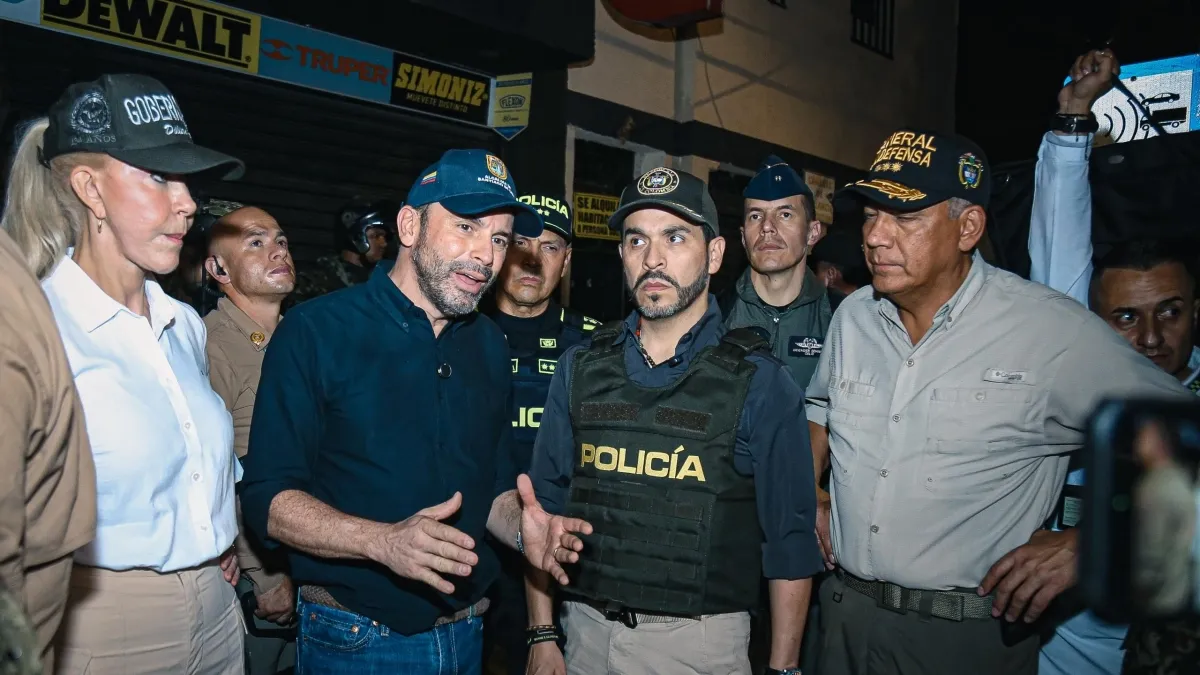
In Santa Marta, where aftershocks have continued to threaten coastal communities, the National Police has intensified search‑and‑rescue operations, deploying specialized canine units and engineering teams to assess structural stability. These coordinated efforts illustrate a broader, integrated approach that blends formal emergency services with grassroots support.
Long‑Term Implications and Policy Considerations
The aftermath of the Cali earthquake raises critical questions about urban planning and social policy in Colombia. Seismic safety regulations, largely unchanged since the 1990s, are being revisited by legislators who now confront the necessity of retrofitting historic buildings and enforcing stricter building codes. Additionally, the crisis has spotlighted the gaps in existing social safety nets concerning caregiving support, prompting calls for legislative measures that would formalize assistance for informal caregivers.
Analysts predict that reconstruction will span several years and require substantial international investment. However, sustainable recovery hinges on integrating the invisible labor of care into recovery strategies, ensuring that mental health services, gender‑responsive policies, and community empowerment remain central to rebuilding efforts. As survivors begin to reconstruct not only their homes but also their social fabric, the narrative of post‑disaster recovery in Cali is evolving from a purely physical restoration to a holistic process that honors the essential work of care within households.
Looking Ahead
While the immediate emergency response has stabilized the situation, the path forward will demand vigilant oversight, continuous community engagement, and a commitment to render invisible caregiving visible in policy and practice. The experience of Cali serves as a poignant reminder that the strength of a city’s reconstruction is measured not only in rebuilt structures but also in the resilience and support systems that sustain its people through adversity.

Deja una respuesta