

What is Tropical Wave 51?
Metereologists have identified **Tropical Wave 51** as a significant weather system moving across the Atlantic toward the northern Caribbean. This type of wave—a burst of tropical moisture accompanied by a trough of low pressure—is a common precursor to heavy precipitation and gusty winds, particularly when it interacts with the region’s orographic features. The wave is expected to make landfall over **Barranquilla** and extend its influence along the **Colombian Caribbean coast**, potentially affecting multiple municipalities.
Forecast and Expected Impact
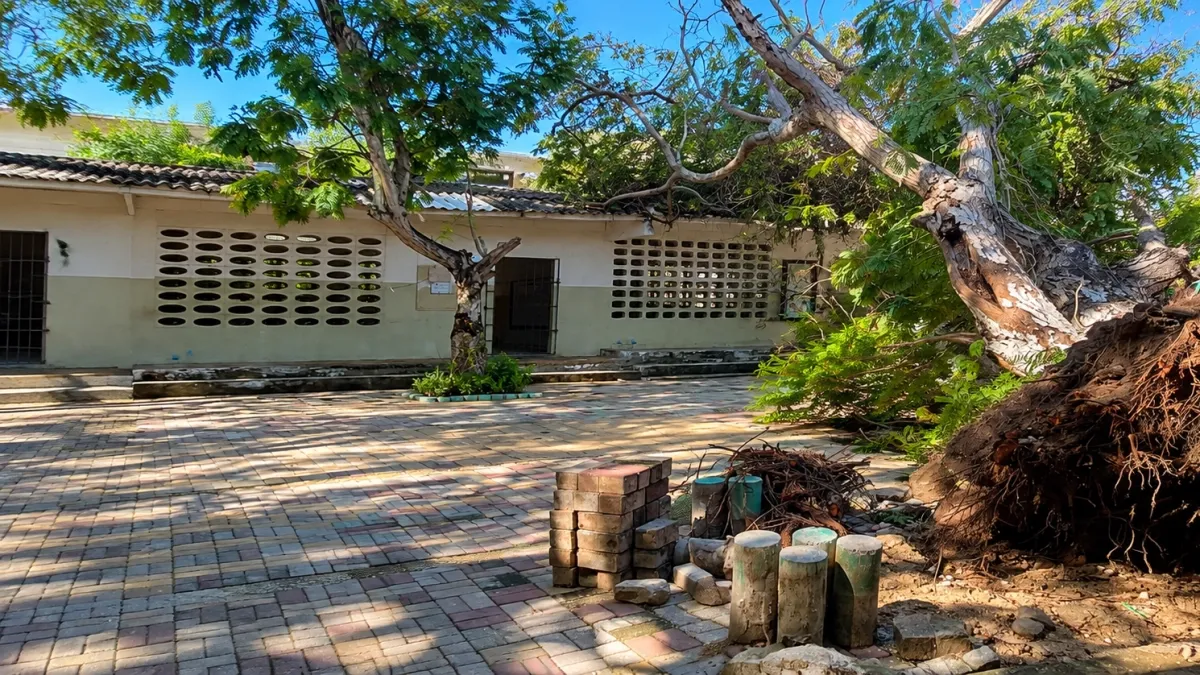
According to the latest advisory from the **National Meteorological Service (DIVIPOLA)**, the wave will bring **intense rainfall** and **strong winds** to Barranquilla for at least two days this weekend. Forecast models indicate accumulations that could exceed 100 millimeters in 24 hours, raising the risk of **urban flooding**, especially in low‑lying neighborhoods where drainage infrastructure is already strained. Wind speeds are projected to reach **60‑80 km/h**, which could cause **tree damage**, power outages, and hazardous conditions for outdoor activities.
The **coastal belt** from Barranquilla down to Cartagena is also under watch, as the system is likely to enhance offshore convective activity, generating **rough seas** and heightened wave heights. Mariners and beachgoers are advised to avoid navigation in exposed waters until the system passes.
Official Response and Alerts
Local authorities have activated **emergency operation centers** and are coordinating with the **National Disaster Risk Management Unit**. A **red alert** has been issued for heavy rain, while a **yellow alert** remains in effect for wind impacts. The Barranquilla municipal government has deployed **heavy‑equipment crews** and sanitation workers to clear **drainage networks** and **man‑hole covers**, as seen in recent actions at the León torrent.
Public officials have urged residents to **monitor official channels**, avoid flood‑prone zones, and **prepare emergency kits**. The city’s communication strategy emphasizes the importance of staying informed through the municipal **risk dashboard** and the national weather service platform.
Historical Context and Regional Risks
Previous tropical waves have repeatedly tested Barranquilla’s resilience. The **1999 “Trinidad” wave**, for instance, caused catastrophic flooding that overwhelmed the city’s drainage and led to widespread displacement. More recently, the **2022 wave** prompted a similar red‑alert response, highlighting the **seasonal vulnerability** of the region’s infrastructure.
Urban planners note that **rapid urbanization** and **inadequate sewerage systems** exacerbate flood risks during such events. The **intermittent operation of pumping stations** and **blocked culverts** further compound the threat, making community preparedness a critical line of defense.
Preparedness Recommendations
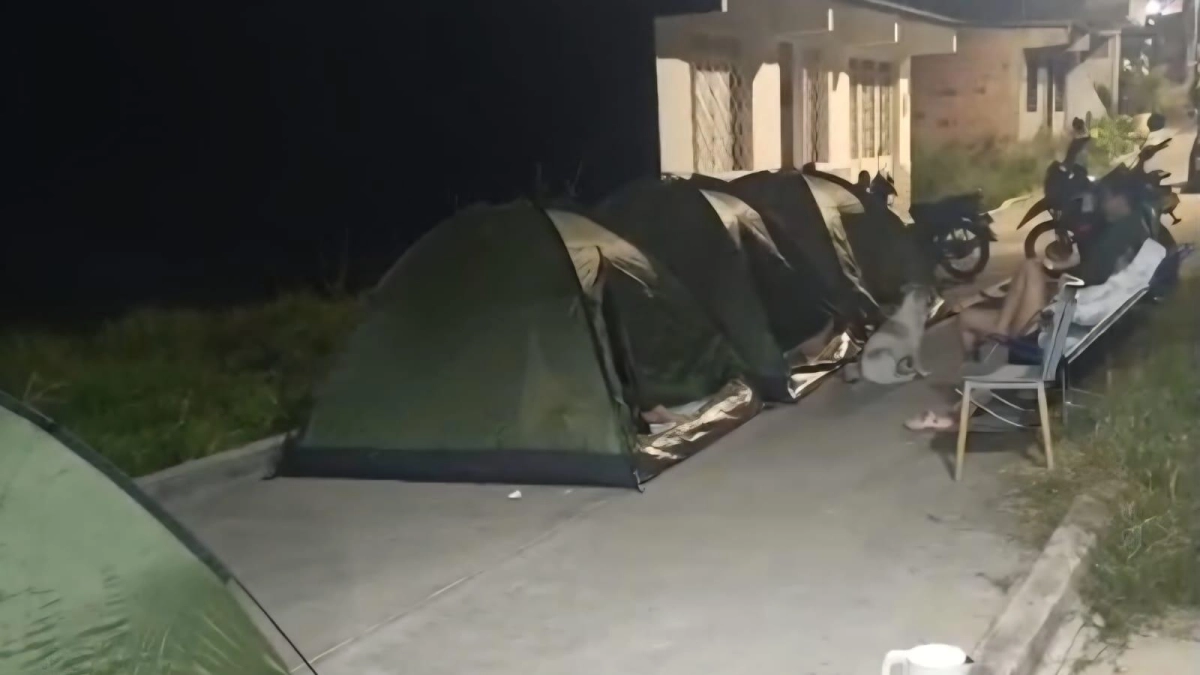
Experts advise residents to **secure outdoor objects**, store water, and maintain communication with family members. It is also recommended to **evacuate low‑lying areas** if authorities issue evacuation orders, and to **refrain from driving through flooded streets** to prevent vehicle loss and reduce strain on rescue crews.
Business owners are encouraged to **implement contingency plans**, including data backup and **storm‑proof closures**, while schools and health facilities should conduct **risk drills** ahead of the anticipated weather.
Future Outlook
Once the wave passes, meteorologists anticipate a **gradual reduction** in precipitation over the following 48 hours, with winds subsiding as the system moves eastward into the open Atlantic. However, the **residual moisture** may linger, prolonging soggy conditions and increasing the likelihood of **post‑storm landslides** in surrounding hillsides.
Long‑term climate projections suggest an **increasing frequency of intense tropical waves** in the Caribbean, underscoring the need for **sustained infrastructure investment** and **robust early‑warning systems** in vulnerable coastal cities like Barranquilla.




Deja una respuesta