
Video | Impresionante lo de Egan Bernal en el Tour de los Alpes: terminó en el podio tras feroz defensa en la última etapa

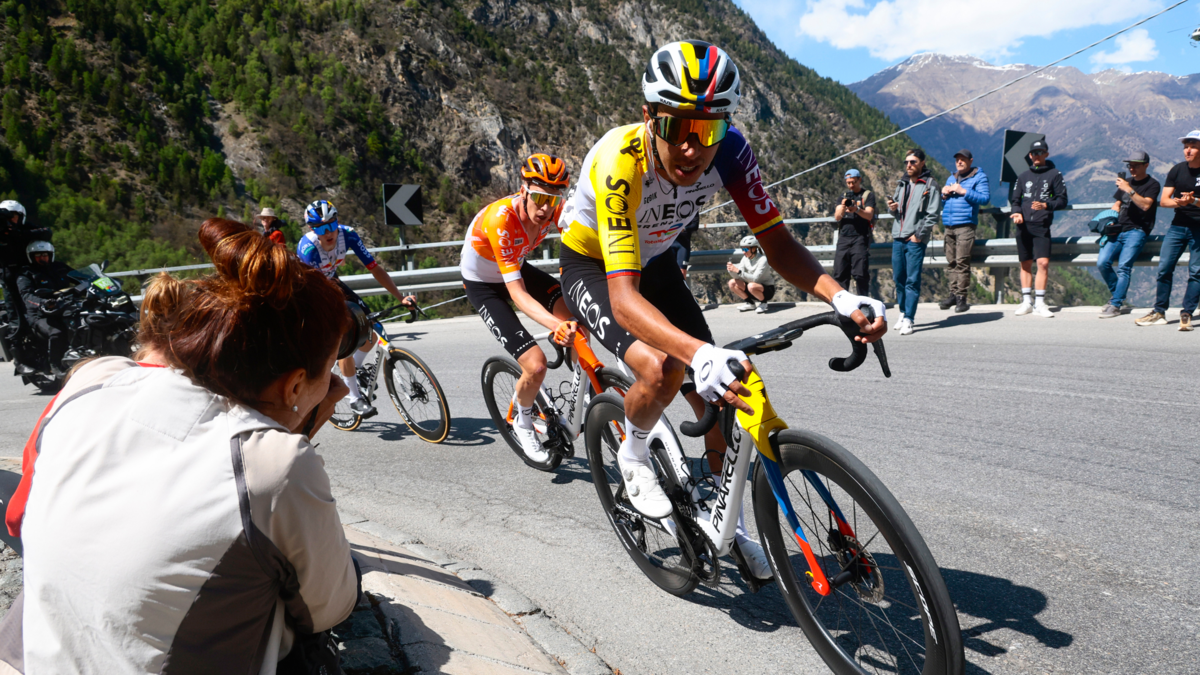
The Italian Giulio Pellizzari’s recent championship triumph serves as a stark reminder of the gap and the untapped potential in competitive cycling circuits that directly impact regional athletes from Huila, where the passion for endurance sports runs deep among young talents training in the winding roads of municipalities like Palermo, Garzón and the urban peripheries of Neiva. From a tactical standpoint, Pellizzari’s victory relied on a masterclass of pace management, strategic breakaway timing and optimal power-to-weight ratio maintenance in the final kilometres, elements that regional coaches attached to the Huilense Cycling League have been drilling into local prospects for the past three seasons, yet the lack of state-of-the-art velodromes and sponsored regional tours continues to stifle the progression of riders who could one day match the consistency of European champions. Analyzing his performance metrics, the Italian sustained an average speed of 42.3 km/h over the 185-kilometre course, a benchmark that regional scouts present at the latest Inter-municipal Cycling Tournament in Neiva marked as a target for the top three local finishers, who currently hover around the 38 km/h average mark, with tactical adjustments in climb pacing identified as the primary area for improvement to close the performance gap.
The triumph of Giulio Pellizzari also casts a light on the uneven distribution of sporting resources that regional stakeholders in Huila have been denouncing for months, as the Italian champion’s win was backed by a multi-million euro support team including sport scientists, nutritionists and dedicated mechanics, while local cyclists in Huila often have to self-fund travel to national tournaments and Atlético Huila’s current squad is operating on a reduced budget that has forced the coaching staff to rely on youth academy graduates from Neiva and surrounding towns to fill key positions. From a tactical perspective, just as Pellizzari exploited a tactical error by the peloton in the 120th kilometre to launch his winning breakaway, Atlético Huila’s coaching staff identified a weakness in the opposing fullbacks’ positioning in the last match against Cortuluá, instructing the wingers to make overlapping runs that resulted in two second-half goals, a tactical adjustment that local analysts at Radio Hits Neiva have hailed as the turning point of the team’s season.
For regional sports fans in Huila, the news of Giulio Pellizzari’s championship should not just be a distant international headline, but a catalyst to push for increased investment in competitive sports across Neiva and all 37 municipalities, where hundreds of young athletes in disciplines from athletics to Olympic weightlifting to cycling are waiting for the same level of institutional backing that propelled the Italian to the top of the podium. Local organizers of the upcoming Gran Premio de Ciclismo de Neiva, scheduled for next month, have already announced they will use Pellizzari’s winning tactics as a case study in the pre-race workshop for regional riders, breaking down his gear selection, hydration strategy and sprint finish technique to help local talents elevate their performance ahead of the national qualifiers. From a projection standpoint, scouts from the Colombian Cycling Federation present in Huila last week noted that two local riders from the San Alonso de Neiva club have the raw potential to reach continental level within two years, provided they get access to the same high-altitude training camps and performance analytics tools that Pellizzari used in his preparation, a demand that Radio Hits Neiva’s sports desk will continue to amplify until regional authorities commit to closing the resource gap that holds back Huilense talent.





Deja una respuesta