

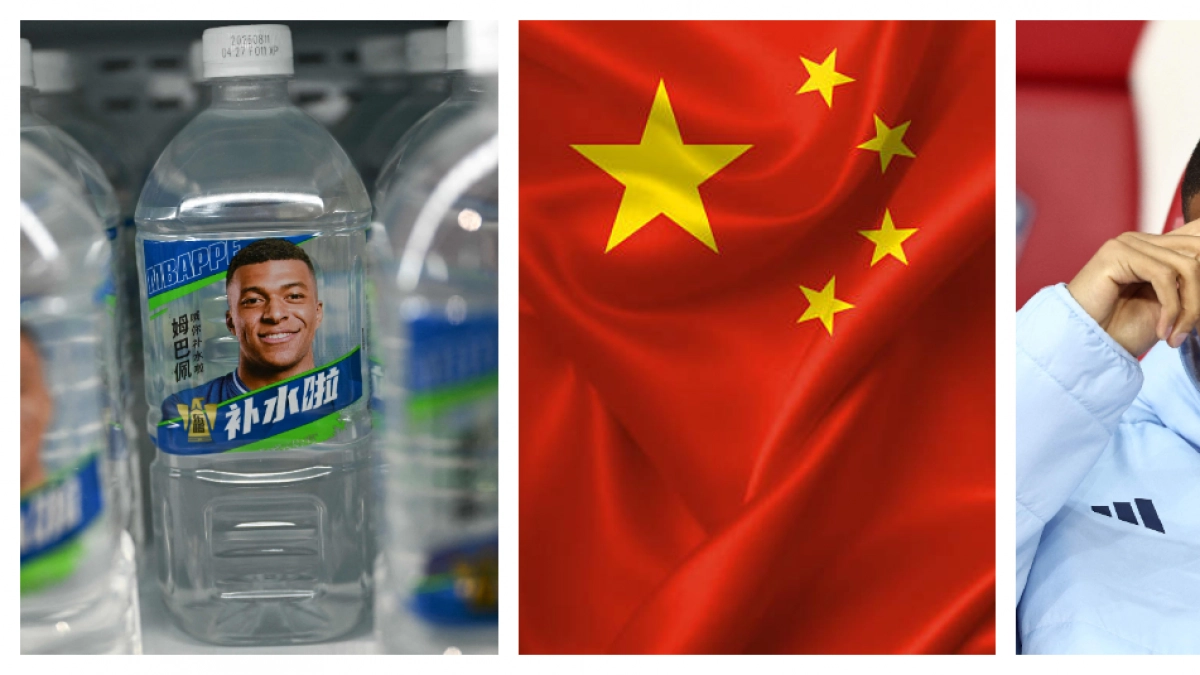
Background: The Rise of Chinese Football Ambitions
The rapid expansion of Chinese football over the past decade has been one of the most visible symbols of the country’s broader geopolitical and economic aspirations. From massive infrastructure investments in stadiums to record‑breaking television rights deals, Beijing has pursued a strategy of embedding football deep within its soft‑power toolkit. The Chinese government’s “Football Invasion” plan targets not only domestic talent development but also high‑profile international partnerships that can amplify China’s global brand. In this context, the involvement of world‑renowned players has become a diplomatic currency, with endorsement deals often carrying implicit political expectations.
The Controversy: Mbappé’s Endorsement and Its Unintended Consequences
In late 2026, French forward Kylian Mbappé signed a multi‑year promotional agreement with a leading Chinese consumer‑electronics firm, a deal that promised substantial financial rewards and access to the lucrative Asian market. The contract’s public unveiling featured Mbappé posing with a replica of the iconic Jiangsu Gate and, in a subsequent social‑media campaign, a stylized image of the Tiananmen Square silhouette behind him. While the imagery was intended to highlight the brand’s heritage, the juxtaposition sparked immediate backlash from Chinese diaspora communities and human‑rights advocates worldwide. The perception that a global sports star was inadvertently (or deliberately) associating with a politically charged landmark transformed a commercial venture into a diplomatic flashpoint.
The fallout was swift. FANCAL, the Chinese Football Association, issued a statement condemning the “misinterpretation” of cultural symbols, while state‑run media outlets amplified the controversy, framing it as a test of foreign athletes’ understanding of Chinese sensitivities. In Europe, political commentators questioned whether FIFA’s endorsement guidelines should include stricter protocols for geopolitical symbols. Meanwhile, the French government called for an investigation into the contractual terms, citing the need to protect its athletes from inadvertent political entanglements.
Aftermath and Future Implications: Re‑Evaluating Sports Diplomacy
The episode has prompted a broader reassessment of sports diplomacy strategies. FIFA announced plans to revise its code of conduct for sponsorships, emphasizing the need for neutrality in politically sensitive contexts. For China, the controversy underscores the complexities of leveraging football as a soft‑power instrument while maintaining strict ideological control. The Chinese market remains a critical revenue stream for global leagues and brands, yet the incident illustrates the risks of overlooking historical sensitivities.
Industry analysts predict that future endorsement agreements will include more rigorous vetting processes, potentially involving governmental approvals before public release. For athletes like Mbappé, the case serves as a cautionary tale about the intersection of sports, commerce, and geopolitics. As football continues to globalize, the balance between commercial opportunity and diplomatic prudence will likely shape the next phase of Sino‑Western sports relations.
The unresolved question remains: can China’s football ambitions coexist with the global sporting community’s expectations of political neutrality? The answer may well determine whether this incident becomes a mere footnote or a turning point in the evolving narrative of football as a conduit for international dialogue.



Deja una respuesta